Emergency leadership seldom looks like a hero shot in a movie. It often appears like a calm voice on a crackling radio, a hand on a shoulder directing a person to an exit, and 2 or 3 clear choices made under pressure that maintain a building loaded with individuals fire warden training prerequisites risk-free. Chief warden training transforms that type of calmness into a repeatable ability. It mixes technical understanding, human aspects, and practice that sticks when alarm systems blare and exposure drops.
I have actually stood in control spaces during actual emptyings, where the difference between complication and order came down to the chief warden's prep work. The right training developed an environment where wardens and occupants relied on the strategy, followed instructions, and obtained outdoors quickly. This post unloads what solid chief warden training looks like, just how it connects with systems such as PUAoPE units like puafer005 and puafer006, and what you ought to expect if you are building or rejuvenating a program for your site.
The role of the chief warden
The chief warden is the incident leader for on-site emergency situations till handover to emergency services. That management sits within an Emergency situation Control Organisation, normally abbreviated as ECO. The ECO framework offers you a hierarchy, defined responsibilities, and typical interactions. In useful terms, the chief warden sets method, appoints wardens, rises or downgrades reaction degrees, and makes the phone call to leave, transfer, or shelter in place.
Chief warden obligations consist of:
- Establishing the control point and coordinating wardens with radios or joggers, tracking zones removed, individuals calling for support, and hazards reported. Making decisions about evacuation method, such as presented vs full emptying, upright vs horizontal motion, and contingencies for blocked routes. Managing details flow to residents and emergency situation solutions, consisting of a succinct situation record, headcount standing, and any kind of unsafe goods or plant issues. Overseeing post-incident actions such as all-clear, re-entry, debrief, and document keeping.
Those obligations broaden in complex sites. A chief emergency warden in a medical facility, for instance, evaluates individual skill, life support devices, and compartmentalisation while coordinating with professional leads. In a distribution centre, it might indicate zoning forklifts to discontinue activity and separating electrical systems while keeping high-bay aisles from ending up being canal. Training needs to reflect those truths rather than simply textbook scenarios.
Where puafer005 and puafer006 fit
Two across the country recognised units in Australia underpin this capability. The initial, puafer005 operate as part of an emergency control organisation, addresses the fundamental abilities for wardens. A puafer005 course covers creating situational awareness in an emergency situation, finishing a systematic search of a floor or zone, assisting individuals with specials needs or movement concerns, and making use of interactions and fire equipment within the scope of a warden's role. For most workplaces, puafer005 underpins fire warden training requirements and creates the baseline for any person joining the ECO.
The second, puafer006 lead an emergency control organisation, builds the management layer. A puafer006 course goes into control, decision production, and case leadership. It covers developing a command message, performing vibrant threat assessment, adjusting the emergency plan to unraveling conditions, and leading a multi-wardens team under stress. If you are stepping into chief warden training, puafer006 is the system to look for.
Many service providers bundle these right into a pathway: a warden course for those signing up with the ECO, after that a chief fire warden course for those that will lead. Check currency of units and exactly how the training is contextualised to your site with your carrier. If your facility has special dangers, from lithium-ion storage space to restricted spaces, make certain the program web content addresses them.
What great training looks like
Strong programs do three points constantly. They make the content practical and site-specific. They educate repeatable habits for high tension. And they blend class work with drills that feel real without presenting unneeded risk.

In an excellent fire warden course or emergency warden course, you should see site plans increased with actual hydrant and pipe reel locations, assembly areas, and path choke points. You ought to handle and check equipment within your scope, such as extinguishers, hose pipe reels, break-glass alarm systems, and the fire sign panel interface to the extent allowed. You need to exercise radio technique, consisting of utilizing phone call indications, clear text, and brevity strategies. If the building has a public address system or occupant warning system, you ought to practice making announcements that are short and specific.
Chief fire warden training includes the layers that divide skilled from exceptional. That consists of assigning wardens by feature instead of name, so if the common flooring warden is away you already have a deputy. It includes anxiety inoculation through time-boxed choices, such as picking between a full or partial evacuation based on smoke spread, or switching the plan when an exit is obstructed. It instructs you to detect the difference in between a clean alarm system from a detector in a storeroom and a heat surge throughout multiple detectors on different loops, and why that distinction adjustments your actions.
Good training also attends to the people side. Most evacuees are participating, but you will meet the persistent, the stressed, the person with headphones, and the employee that insists on ordering a laptop computer. Function play those interactions with sensible scripts. Exercise how you talk with someone with minimal English. Find out to identify that requires a personal emergency situation emptying strategy and exactly how to make use of an evacuation chair safely.
Fire warden needs in the workplace
Regulatory duties vary across territories, yet a few principles hold. The person performing a company or task has to ensure, thus far as sensibly possible, the health and wellness of employees and others. That includes emergency situation strategies, visit of an ECO where needed, and training employees on discharge and initial response. Fire warden requirements generally require enough wardens to clear all areas, coverage across changes, regular training and drills, and clear signs for departures and equipment.
For a multi-storey workplace with 500 residents, you could need a chief warden, a replacement, several interactions police officers, and several wardens per floor or area. For a tiny stockroom with 20 individuals, you still require coverage for breaks and leave. I such as the guideline of one warden for every single 20 to 30 passengers in workplace settings, readjusted for design and risk. In high-risk centers or those with mobility-impaired residents, raise that ratio.
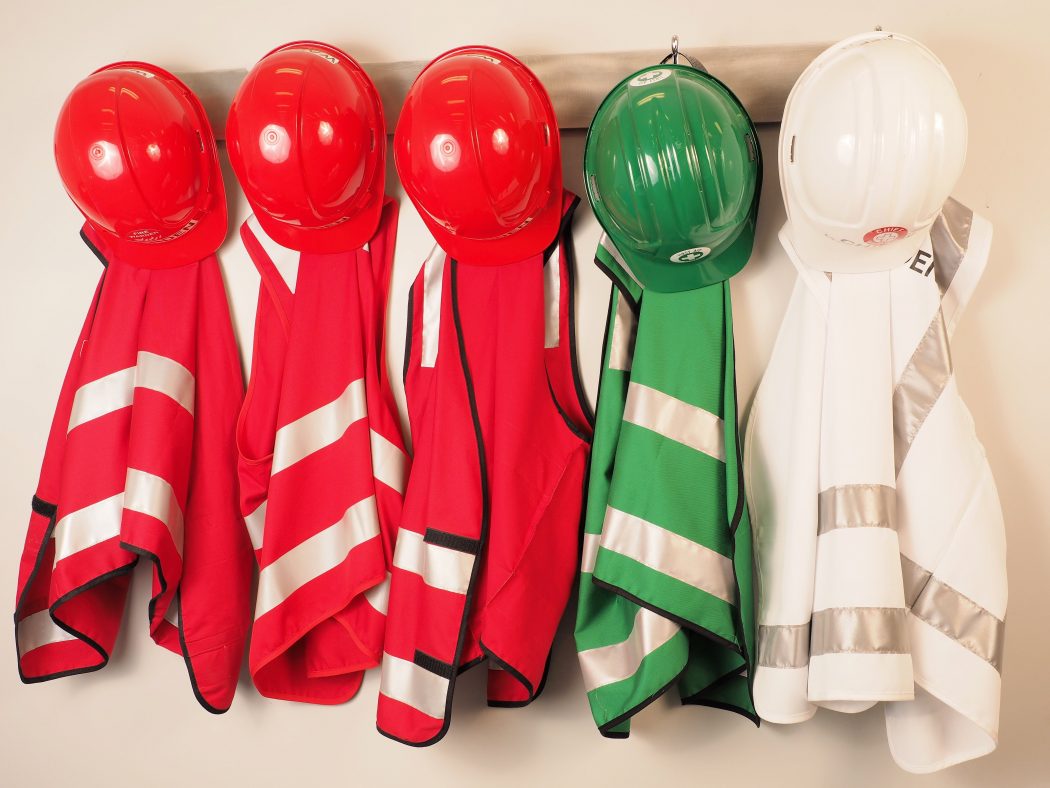
The legislation does not suggest fire warden hat colour, yet the technique of utilizing colour-coded helmets or hats is common because it assists recognition when visibility goes down or visitors exist. The typical convention in Australia utilizes white for chief warden, yellow for wardens, and red for interactions or experts, though variants exist. If you are asked what colour helmet does a chief warden wear, the typical solution is white, and you can mark it with an unique band or label. The very same logic applies to chief warden hat colour in numerous offices, and uniformity across websites helps.
Inside the ECO: functions and handoffs
An ECO works when every duty is clear and cross-trained. Chief warden, deputy, interactions officer, floor wardens, location wardens, and first responders such as initial aiders must comprehend the plan and each various other's duties. Basic techniques like typical radio phone call signs prevent disorder. As an example, Principal, Comms, Floor 12, Stairway A, and Setting up North are much easier to say and hear than impromptu names.
Handoffs issue. If a warden gets rid of an area, that verification ought to consist of the condition of bathrooms, storerooms, meeting rooms, and any type of locked areas. If a person declines to evacuate, the warden logs the name, place, and factor, and the chief warden decides how to intensify. If firemans get here and take command, the chief warden offers a concise brief: structure kind, alarm system origin, emptying condition, remaining persons, threats such as gas bottles or battery rooms, and access constraints.
A robust debrief after drills and real occurrences establishes the culture. The very best debriefs are brief, truthful, and focus on renovation rather than blame. If Staircase B jammed with occupants and mobility help, learn why and readjust. If radios failed in the cellar, locate the dead zone and think about a runner or a various network. Track these searchings for and feed them right into the next warden training.
Building the chief warden skill set
The craft of a chief warden is part technical, part management. Here are the skills I look for when assessing readiness.
- Decision making under time pressure. Utilize a basic design: determine the issue, think about 2 or three choices, select, and connect. Excellence is the enemy of speed when smoke is spreading. Communications that punctured. Short, details, and confident. "Evacuate through Stair A to Assembly South. Avoid the west entrance hall." Stay clear of jargon unless you are talking to wardens or firefighters. Situational recognition. Check out the panel, the radios, and what your wardens see. If the alarm system gets on Level 7, however you have reports of smoke on Level 9, expand the search and take into consideration vertical spread. Delegation and trust fund. Assign jobs and allow wardens execute. If you micromanage from the control factor, you become a bottleneck. Emotional policy. Your tone sets the room. People review your face and voice. Train breathing and mental scripts that maintain you level.
Those abilities do not get here from a slide deck. They originate from repetition, drills that mimic tension, and straightforward responses. A great chief warden course will put you on the radio, give you a situation with insufficient details, and compel a choice in seconds. It will certainly show you exactly how to make use of a white boards or a straightforward log sheet to track sectors gotten rid of, individuals missing out on, and problems impressive. It must additionally attend to tiredness. A ten-minute discharge can seem like two hours if you are juggling multiple inputs.
Fire tools, panels, and boundaries
Wardens have actually limited range with fire tools, but they need to understand what is safe and anticipated. Pushing a hand-operated call point, using an extinguisher for a little incipient fire if educated and secure to do so, isolating a room, and shutting fire doors are typical activities. Principal wardens need knowledge with the fire sign panel, owner caution system, and any kind of structure management system user interfaces. They do not need to be technicians, but they must recognize exactly how to silence neighborhood sounders after an all-clear if authorised, just how to read the alarm system beginning, and exactly how to locate detector zones.
Boundaries matter. If the fire is growing, the phone call is emptying, not heroics. The guideline is straightforward: never put people in a position where they can be trapped by smoke or warm. A small waste container fire that is not spreading out can be regulated with the correct extinguisher by somebody trained, standing between the fire and the exit, and with a back-up. Anything advanced belongs to the fire service.
Special scenarios that need practice
Every site has side instances. A chief fire warden requirements program should consist of situations beyond the simple ones.
- Power failing throughout an alarm system. Elevators stopped, emergency situation illumination just, stairways crowded. Just how will certainly you connect and move mobility-impaired occupants? Smoke in a parking lot with car activity. Exhaust fans, sprinker activation, and inadequate radio insurance coverage complicate this. Pre-plan runner routes. Construction works transforming egress. Temporary hoardings can develop dead ends. Update your emptying diagrams and short wardens. Hazardous products release. An unusual scent on a lab floor calls for isolation and sanctuary in place instead of a full evacuation that pushes individuals right into a plume. Train that distinction. Civil emergency situations. Severe climate or a safety and security case might need lockdown or sanctuary rather than emptying. Your emergency warden training must cover these options with clear triggers.
Those circumstances show adaptable reasoning. The chief warden's stamina is not adhering to a solitary manuscript, but knowing when to change from one secure activity readied to another.
The human aspect: assisting occupants
A warden course that deals with evacuees as dots on a strategy misunderstands. People evacuate in clusters, they hesitate, they seek buddies, and they worry about prized possessions. The chief warden can not resolve every problem, yet can shape the flow. Usage strong wardens at decision points like stairwells and entrance halls. Place your ideal communicators with groups that consist of visitors or non-native audio speakers. Assign someone to stalk persons with personal emergency situation discharge strategies, such as a colleague who understands just how to use an evacuation chair.
For high-rise websites, vertical traveling is the tough part. Motivate a steady pace, single file on the right or left depending upon neighborhood convention, and normal brief stops briefly if warm or exhaustion increase. If you have fire isolated staircases with pressurisation, keep doors closed as much as feasible to preserve stress and decrease smoke ingress. If someone can not continue, relocate them to a touchdown or sanctuary location, record the place, and notify the chief warden. Rescuers need specific info to reach them quickly.
Colour, recognition, and visibility
People inquire about fire warden hat colour due to the fact that when the alarm seems, exposure and sound difficulty recognition. High-visibility vests with clear labels, lanyard cards, and headgears or construction hats are all devices to make wardens visible. As kept in mind previously, chief fire warden hat colour is commonly white, while wardens wear yellow. Communications officers might put on red or one more distinctive colour. Whatever you choose, keep it constant and ensure spares come at the control point and on each floor. The question, what colour helmet does a chief warden wear, need to have a one-line answer in your emergency strategy so site visitors and service providers align with site practice.
Drills that matter
I have actually seen drills that squander everybody's time, and drills that sharpen a group. The distinction remains in the arrangement and debrief. Shock is useful, yet not every time. Focus on discovering purposes. If you want to practice stairwell flow and radio discipline, choose a scenario that drives people down staircases and worries the channel. If you want to examine a shelter-in-place strategy, craft a substitute exterior threat and see exactly how well doors are secured and communications cascade.
Track metrics. Time to very first statement. Time to clear each floor. Percent of passengers who utilized the closest exit. Radio quality and airtime equilibrium. Missed out on areas. Real numbers defeat obscure perceptions. Over 2 or three drills, you need to see stable renovation. Otherwise, evaluate your warden training material and the chief warden's command style.
Selecting and supporting primary wardens
Not every great warden makes a good principal. Try to find tranquility under stress, a clear voice, and respect amongst peers. Provide the puafer006 course and regular refresher courses. Combine brand-new chiefs with seasoned deputies throughout drills. Provide devices that make the job easier: a grab bag with high-vis vests, extra radios, flooring checklists, a laminated cheat sheet with essential statements and choice activates, marker pens, and a logbook. If your site is large, consider a portable whiteboard or a tablet computer with a straightforward case log template.
Support from management is non-negotiable. If a chief warden recommends much more wardens on Level 4 because of new tenants, act on it. If radios are stopping working, take care of the framework. If drills reveal that a setting up location is too near to a possible hazard, pick another area and update signs. Principal wardens invest power in the function when they see that the organisation takes their searchings for seriously.
Alignment with business continuity
Evacuation is the prompt goal, but occurrences surge. Chief warden training must sync with organization connection and dilemma administration. That makes the phone call to send out individuals home vs hold at assembly? Exactly how do you secure the site after a discharge to prevent re-entry till the all-clear? That interacts with clients and the media if the case draws focus? The chief warden does not have to carry all these tasks, however the handshakes between groups must be defined.

For instance, after an all-clear, re-entry ought to be presented. Critical procedures staff return initially to recover systems, then general team. An interactions police officer drafts a brief upgrade for owners and stakeholders. Security confirms that no fire doors have actually been wedged which discharge tools is gone back to terminals. The chief warden validate the event log and routines the debrief.
How often to educate and refresh
Competency decomposes. For a lot of workplaces, emergency warden training ought to be revitalized yearly, with drills 2 to four times each year. Chief warden training benefits from a preliminary detailed program, after that scenario-based refresher courses every 6 to 12 months. If you experience turn over, run ad hoc sessions to maintain insurance coverage undamaged. New layouts, remodellings, or new threats must set off a targeted warden course update.
Track attendance and skills, not just conclusion. A tick-box strategy types complacency. If a warden regularly misses drills or programs weak radio technique, supply mentoring or replace them. Your ECO is only as solid as its energetic members.
Matching training to different environments
A one-size training course under-delivers in specialized environments.
- Offices and education and learning. Concentrate on high resident numbers, differed familiarity with the site, and organized stairwell flow. Public address messaging quality is crucial. Warehouses and manufacturing. Address plant seclusion, harmful processes, forklifts, and high-rack aisles. Noise and hearing security make complex announcements. Healthcare and aged care. Train horizontal discharges, patient motion, medical control, and life-support considerations. Sanctuary in place might be the primary response. Retail and entertainment. Site visitors control. Signs, usher-like assistance, and multilingual interaction matter. Group characteristics can transform quickly. Labs and information centres. Highlight dangerous materials, unique reductions systems, and connection concerns. Some locations might have postponed re-entry protocols after suppression discharge.
When picking a chief warden course, ask service providers to show how they adapt circumstances and sources to your setting. If they can not, keep looking.
Common pitfalls and just how to stay clear of them
I see the very same catches throughout markets. Over-reliance on a single charming chief warden produces a susceptability. Build a bench. Radios with dying batteries throughout alarms prevail. Set a charging routine and inspect radios at the beginning of shifts. Emptying diagrams that hang back flooring changes trigger misroutes. Schedule testimonials whenever a fit-out shifts walls or doors. Wardens who hesitate to challenge elderly supervisors sluggish discharges. Provide wardens the authority, supported in plan, to route everybody to follow guidelines, no exceptions.
Another regular issue is complication over extinguishers. Individuals get hold of the local without checking. Brief refresher training that covers the PASS strategy and which extinguisher to utilize for which course of fire decreases threat. Make it clear that trying to combat a fire is volunteer and additional to evacuation.
Credentials, paperwork, and proof of competence
For conformity, keep documents of all training: puafer005 course completions for wardens, puafer006 course conclusions for primary wardens, attendance at drills, and any type of professional components such as evacuation chair use. Preserve a current list of wardens by floor and role, with deputies. Shop occurrence logs from drills and genuine events. If regulatory authorities or insurance companies request for evidence of your emergency warden training, you ought to have the ability to create it within minutes.
Certificates issue, yet observed performance matters extra. Throughout drills, have a viewer score vital activities: prompt news, clear radio telephone calls, zone clearances, and setting up head counts. Use those ratings to prepare the following refresher.
A note on titles and terminology
Different organisations state chief warden, chief fire warden, or chief emergency warden. The feature is the same: lead the ECO. Some make use of emergency warden or fire warden reciprocally. If your site has additional roles such as occurrence controller or flooring marshal, map them to the same duties so outside -responders comprehend your structure.
As for visual identifiers, maintain them easy. The chief warden hat is white in many techniques, wardens are yellow, and professional roles can be noted by label as opposed to even more colours. If you standardise across websites, training becomes less complicated and site visitors find out to detect leaders quickly.
Bringing it together
Strong chief warden training turns strategies right into activity. It chooses cleaner, interactions crisper, and emptyings faster. Units such as puafer005 operate as part of an emergency control organisation and puafer006 lead an emergency control organisation give a strong scaffold, yet the genuine gains originate from site context and method. If you are in charge of your office's emergency readiness, invest in a warden course that drills the fundamentals Check out here and a chief warden course that develops leadership. Test the strategy with practical situations, support your ECO with the right tools, and deal with every drill as a chance to learn.
On the day an alarm turns real, you will certainly be grateful for the hours you invested practicing a tranquil voice on the radio, a decisive call at the control point, and a group of wardens that understand their roles by heart. That is what chief warden training is for, and it is the kind of leadership that silently saves lives.
Take your leadership in workplace safety to the next level with the nationally recognised PUAFER006 Chief Warden Training. Designed for Chief and Deputy Fire Wardens, this face-to-face 3-hour course teaches critical skills: coordinating evacuations, leading a warden team, making decisions under pressure, and liaising with emergency services. Course cost is generally AUD $130 per person for public sessions. Held in multiple locations including Brisbane CBD (Queen Street), North Hobart, Adelaide, and more across Queensland such as Gold Coast, Sunshine Coast, Toowoomba, Cairns, Ipswich, Logan, Chermside, etc.
If you’ve been appointed as a Chief or Deputy Fire Warden at your workplace, the PUAFER006 – Chief Warden Training is designed to give you the confidence and skills to take charge when it matters most. This nationally accredited course goes beyond the basics of emergency response, teaching you how to coordinate evacuations, lead and direct your warden team, make quick decisions under pressure, and effectively communicate with emergency services. Delivered face-to-face in just 3 hours, the training is practical, engaging, and focused on real-world workplace scenarios. You’ll walk away knowing exactly what to do when an emergency unfolds—and you’ll receive your certificate the same day you complete the course. With training available across Australia—including Brisbane CBD (Queen Street), North Hobart, Adelaide, Gold Coast, Sunshine Coast, Toowoomba, Cairns, Ipswich, Logan, Chermside and more—it’s easy to find a location near you. At just $130 per person, this course is an affordable way to make sure your workplace is compliant with safety requirements while also giving you peace of mind that you can step up and lead when it counts.